How to Choose the Right Fitness Tracker for Your Needs
Wondering how to choose a fitness tracker that actually fits your needs? Start with your goals, then compare the health features, GPS performance, battery life, comfort, phone compatibility, app experience, and price that matter to your routine. This guide breaks the decision down step by step so you can avoid paying for features you will rarely use.
How to Choose a Fitness Tracker in 8 Steps
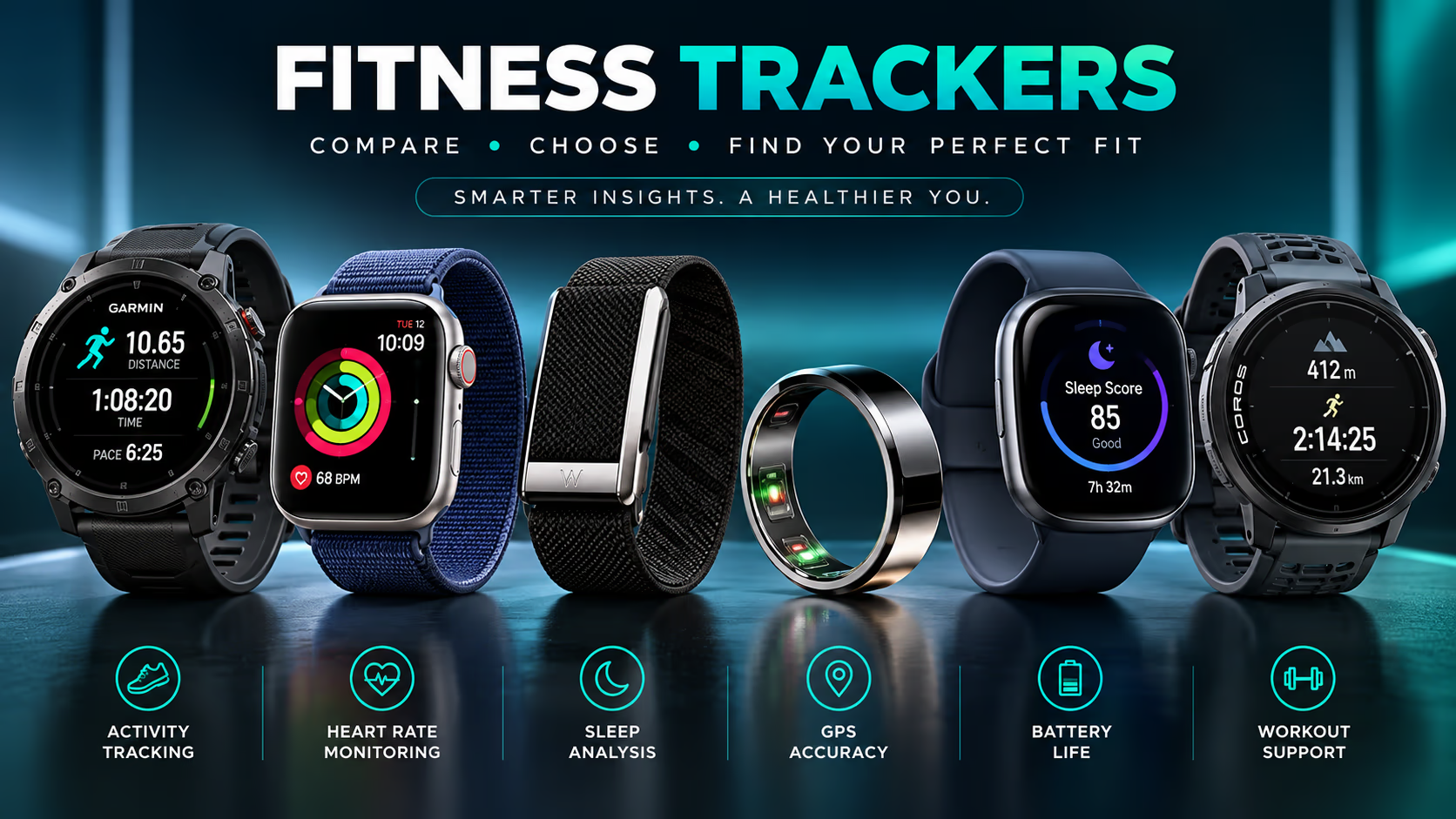
To choose the right fitness tracker, define your main goal first. Then choose the wearable type that suits your lifestyle, identify the metrics you genuinely need, decide whether built-in GPS matters, compare health and recovery features, check battery life and comfort, verify phone and app compatibility, and finally compare the total cost. The best tracker is the one you will wear consistently—not the one with the longest specification sheet.
ON THIS PAGE
How to Choose a Fitness Tracker Based on Your Goals
The easiest way to understand how to choose a fitness tracker is to stop comparing brands for a moment and define what you want the device to improve. A person trying to walk more does not need the same wearable as a marathon runner, a swimmer, or someone mainly interested in sleep and recovery.
Write down your top three priorities before you shop. Examples might include daily steps, running pace, sleep quality, heart-rate trends, workout logging, navigation, smartphone notifications, or long battery life. Once those priorities are clear, features that do not support them become optional rather than essential.
Daily Activity & Wellness
Prioritize steps, heart rate, sleep, easy workout tracking, comfort, and simple goals.
Running & Cycling
Look for built-in GPS, reliable pace and distance data, structured workouts, and recovery tools.
Gym & Strength Training
Focus on workout profiles, timers, interval controls, heart-rate tracking, and a secure fit.
Sleep & Recovery
Prioritize overnight comfort, multi-day battery, sleep trends, HRV, and useful recovery insights.
Do not begin with “Which tracker has the most features?” Begin with “Which three things do I want to understand or improve?” That question usually produces a much shorter and more useful shortlist.
Fitness Band, Smartwatch, Sports Watch, or Smart Ring?
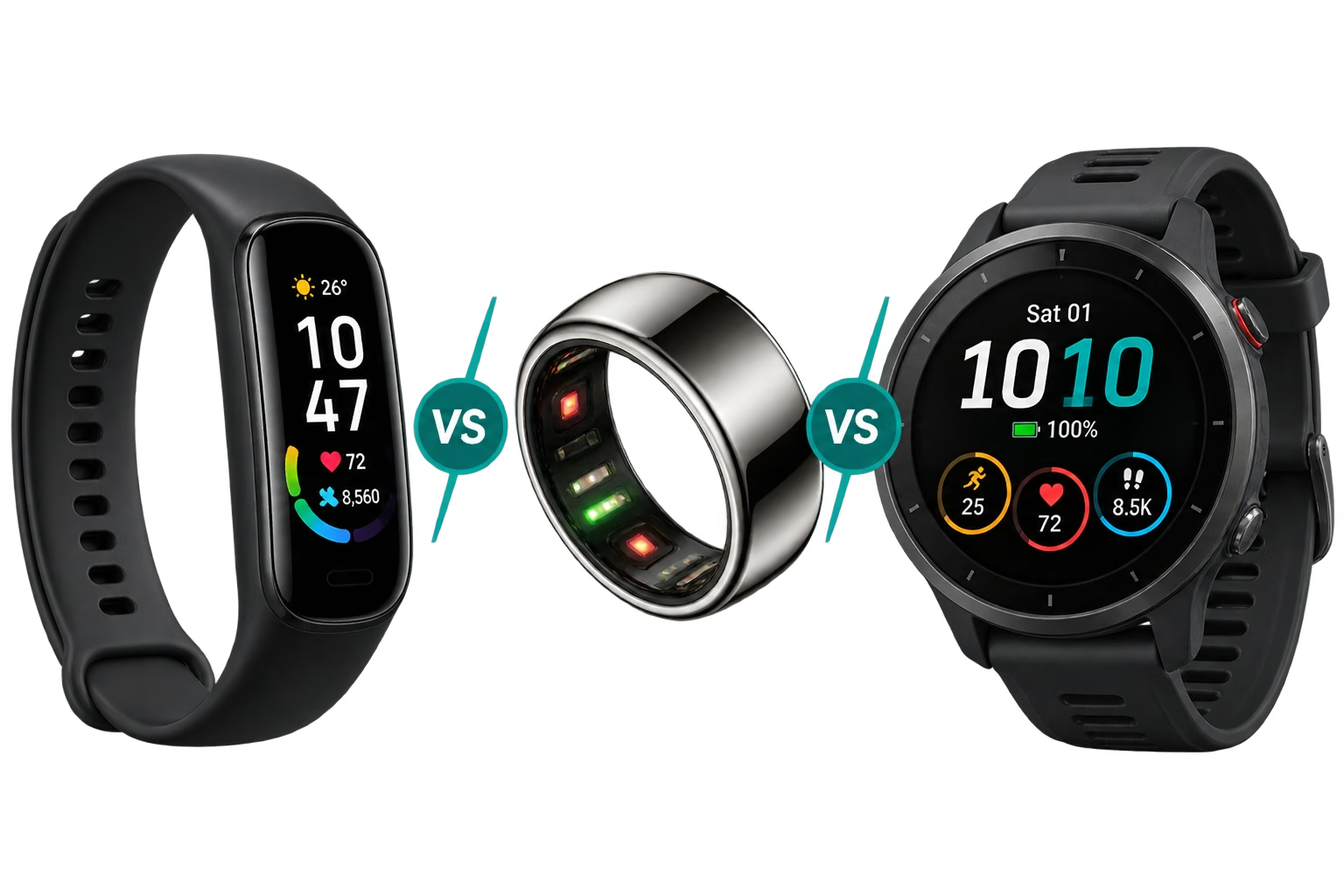
Form factor affects comfort, battery life, controls, screen size, and how naturally a wearable fits into your day. When learning how to choose a fitness tracker, choosing the category first can save more time than comparing dozens of individual models.
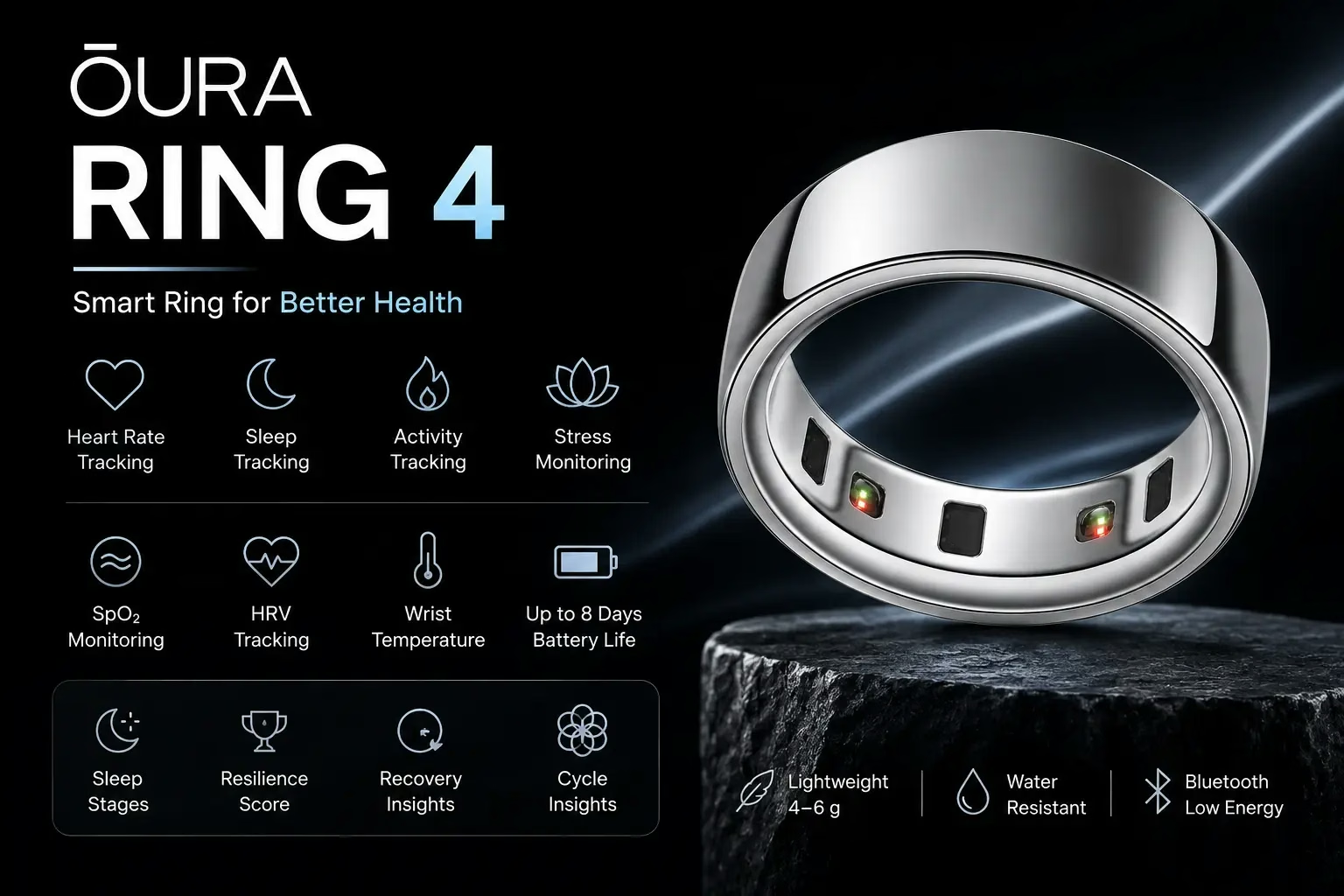
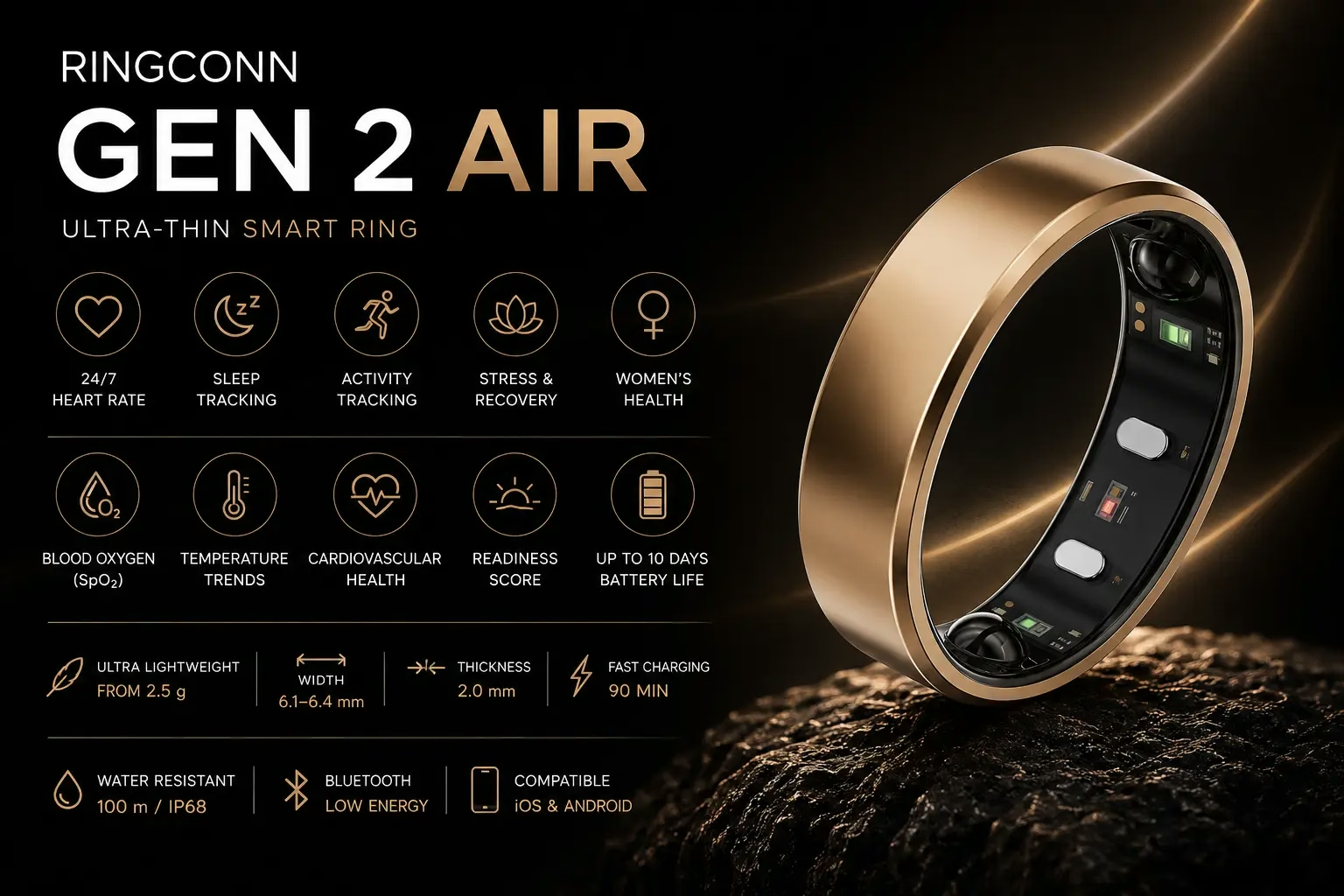
Choose a smartwatch if you want fitness tracking plus phone-like convenience. Choose a sports watch if training, GPS, buttons, endurance, or navigation matter more. A fitness band makes sense for simple everyday tracking, while a smart ring can be compelling when discreet wear and recovery data are the priority.
Which Fitness Tracker Features Actually Matter?
Fitness trackers can advertise dozens—or even hundreds—of metrics. More data is not automatically more useful. A good buying decision focuses on the measurements and controls that change what you do: how you train, recover, sleep, move, or manage your day.
24/7 Heart Rate
Useful for resting trends, workout intensity, daily wellness, and many recovery features.
Built-In GPS
Important for phone-free route, pace, and distance tracking during outdoor workouts.
Sleep Tracking
Worth prioritizing when sleep consistency, recovery, and overnight trends matter to you.
Water Resistance
Essential for swimming and helpful if you want to keep the wearable on throughout the day.
Workout Profiles
Check that your actual sports are supported rather than being impressed by a large mode count.
Smart Features
Notifications, payments, music, calls, and apps matter only if you plan to use them regularly.
The best feature is the one that changes a decision
If a metric never changes how you train, recover, or behave, it may not deserve a place high on your buying checklist.
Do You Need Built-In GPS?
Built-in GPS allows a wearable to record outdoor routes, distance, and pace without using your phone for positioning. It is especially valuable for runners, cyclists, hikers, and walkers who want to leave their phone behind or analyze routes afterward.
Casual users who always carry a smartphone may be satisfied with connected GPS. Athletes who train around tall buildings, forests, mountains, or other challenging environments may value more advanced positioning systems. Maps and navigation are separate considerations: you can have excellent GPS tracking without full onboard maps.
Connected GPS
Uses your phone’s location data and can be sufficient for occasional outdoor tracking.
Built-In GPS
Better suited to phone-free running, walking, cycling, and route recording.
Advanced Positioning
Worth considering when route accuracy is a major training priority.
Maps & Navigation
Most useful for hiking, trail running, travel, and unfamiliar outdoor routes.
Compare the features that matter before you buy
Once you know how to choose a fitness tracker for your goals, compare GPS, health tracking, battery life, comfort, compatibility, and overall value across your shortlist.
How to Choose a Fitness Tracker for Health and Recovery
Heart rate and sleep are now common, while more advanced wearables may offer HRV trends, blood-oxygen estimates, ECG features, skin-temperature trends, stress scores, or recovery recommendations. The key question is not whether a sensor exists, but whether its output is useful for your goals.
If heart-rate zones matter to your workouts, it helps to understand what those zones mean. The American Heart Association’s target heart-rate guidance provides useful context for exercise intensity. Remember that wrist wearables can be useful wellness tools, but consumer metrics should not automatically be treated as medical diagnoses.
The U.S. Food and Drug Administration’s digital health overview explains that wearable technologies span uses ranging from general wellness to regulated medical-device applications. If you need a device for a medical purpose, evaluate the specific feature and its authorization rather than assuming every health metric on a consumer wearable is clinically interchangeable.
Heart Rate, Sleep & Trends
These features can help you observe patterns over time and understand your routine.
Advanced Health Features
ECG, SpO2, temperature, and recovery scores are more valuable when you know why you want them.
A fitness tracker can support awareness and habit-building, but it should not replace professional medical evaluation when you have symptoms, concerns, or a diagnosed condition.
Battery Life Matters More Than It Looks on a Spec Sheet
Battery life affects whether you can track sleep, workouts, and daily activity consistently. A device that needs frequent charging may be perfectly acceptable if you value a bright display and advanced smartwatch functions. For sleep and recovery tracking, however, longer battery life can reduce gaps in your data.
If you want continuous daytime and overnight tracking, charging frequency and comfort should rank near the top of your list.
Comfort is equally important. Check case size, weight, strap material, clasp design, ring sizing, and whether the device interferes with sleep or strength training. A technically excellent wearable becomes a poor tracker if you keep taking it off.
Check the App Before You Choose the Hardware
The wearable collects data, but the companion app determines how easily you can understand it. Before buying, check whether the device supports your phone, whether important features differ between iPhone and Android, and whether the app presents trends in a way you find useful.
Phone Compatibility
Confirm operating-system support and whether any major features are platform-specific.
App Experience
Look for clear trends, useful summaries, understandable scores, and easy workout review.
Third-Party Services
Check compatibility with the training, nutrition, or health platforms you already use.
Data Access
If long-term ownership matters, consider export options and how easily your data can move.
How Much Should You Spend on a Fitness Tracker?
Price should be judged against the features you will actually use. Entry-level trackers can cover steps, heart rate, sleep, and basic workouts. Mid-range devices often add stronger GPS, better displays, richer training tools, and more polished apps. Premium models typically justify their price through advanced training, navigation, materials, durability, sensors, or smartwatch capabilities.
Check the total cost rather than only the purchase price. Some ecosystems place deeper insights, coaching, or historical analysis behind a subscription. Replacement straps, charging accessories, cellular service, or premium apps can also change the long-term value.
Buy the essentials
Best when you want basic health, activity, and workout tracking without paying for extras.
Balance features and price
Often the sweet spot for users who want GPS, better displays, and deeper fitness insights.
Pay for specialization
Best when advanced training, navigation, ruggedness, sensors, or smart features solve a real need.
5 Fitness Tracker Buying Mistakes to Avoid
Buying the model with the most features
Unused features add cost and complexity without improving your experience.
Ignoring comfort
A tracker only works consistently when you are comfortable wearing it day and night.
Assuming every health metric is medical-grade
Understand what a feature is designed to do and whether it is intended for wellness or medical use.
Forgetting the app and ecosystem
Great hardware can become frustrating if the software does not fit your phone or workflow.
Choosing for the person you hope to become
Buy for your real routine first. You can still leave room for growth without overbuying.
Fitness Tracker Buying Checklist: 10 Questions Before You Buy
If you still feel unsure about how to choose a fitness tracker, answer these questions before opening another product page. A clear “yes” or “no” is more useful than comparing another dozen specifications.
If your goal is general activity, the CDC’s adult physical activity guidance can help you set a practical baseline for weekly movement. Your tracker should make those habits easier to monitor rather than making fitness feel more complicated.
How to Choose a Fitness Tracker: Frequently Asked Questions
What is the most important feature in a fitness tracker?
The most important feature is the one that supports your main goal. For a runner that may be reliable GPS; for another person it may be sleep tracking, comfort, battery life, or simple daily activity tracking.
Do I need GPS on my fitness tracker?
Built-in GPS is most useful if you run, walk, cycle, or hike outdoors and want route, distance, and pace data without depending on your phone. If you always carry your phone, connected GPS may be enough.
Is a smartwatch better than a fitness band?
Not automatically. A smartwatch is usually better for apps, notifications, payments, and richer on-wrist controls. A fitness band can be better if you prefer a lighter device, simpler tracking, longer battery life, or a lower price.
Is a smart ring better for sleep tracking?
A smart ring can be attractive for sleep and recovery because it is discreet and has no bright wrist display. The best option still depends on fit, battery life, app quality, available metrics, and whether you also want detailed workout controls.
How accurate are fitness trackers?
Accuracy varies by metric, device, fit, activity, and conditions. Treat consumer wearable data as useful context and trends rather than assuming every measurement is equivalent to a clinical test. For health-related features, check the intended use of the specific feature.
How do I choose a fitness tracker if I am a beginner?
Start simple: prioritize comfort, easy activity tracking, heart rate, sleep, battery life, and an app you understand. Add GPS if you regularly exercise outdoors. You do not need an advanced sports watch unless its extra tools support activities you actually plan to do.
How to Choose a Fitness Tracker You Will Actually Keep Wearing
The best answer to how to choose a fitness tracker is surprisingly practical: buy for your real habits. Start with your primary goal, choose the wearable type that feels natural to wear, and compare the few features that directly support that goal.
For many people, a strong all-around tracker combines comfortable daily wear, useful heart-rate and sleep trends, enough battery life to avoid constant charging, a clear companion app, and built-in GPS when outdoor workouts matter. Advanced training metrics, maps, ECG features, premium materials, and deeper recovery tools are worth paying for only when they solve a specific need.
If you remember one rule from this guide, make it this: the right wearable is not the one that can collect the most data. It is the one that gives you useful information with the least friction, fits your routine, and makes you want to keep wearing it.
Buy for your habits, not for the longest feature list
Define your goal, choose your wearable type, verify the essentials, and spend extra only on features that will meaningfully improve your experience.